Understanding Qi Gong and Its Benefits
Qi Gong, often spelled as "Qigong," is an ancient Chinese practice that integrates physical postures, breathing techniques, and focused intention. Through the harmonization of body, mind, and spirit, Qi Gong promotes health, balance, and well-being. In Bali, the tranquil surroundings and rich cultural backdrop create an ideal environment for both newcomers and seasoned practitioners to explore the depths of Qi Gong. When exploring options, Qi Gong Bali offers comprehensive insights into various training programs and workshops tailored to diverse needs.
What is Qi Gong?
At its core, Qi Gong translates to "energy work" or "life energy cultivation." This holistic practice dates back thousands of years and encompasses a spectrum of techniques that can vary from gentle movements to vigorous exercises. While there are many styles of Qi Gong, they all share a common goal: to enhance the flow of Qi (energy) throughout the body. This flowing energy is believed to be essential for maintaining health and vitality.
Health Benefits of Qi Gong Practice
The health benefits of Qi Gong are extensive and well-documented. Regular practice can lead to:
- Improved Physical Health: Enhancing circulation, reducing blood pressure, and boosting immune function.
- Mental Clarity: Cultivating mindfulness and reducing symptoms of anxiety and depression.
- Enhanced Flexibility and Strength: Gentle movements improve posture and balance, reducing the risk of injury.
- Stress Relief: Lowering cortisol levels through controlled breathing and meditation.
Incorporating Qi Gong into one's daily routine can lead to a more balanced and harmonious life, making it a valuable practice for individuals of all ages.
Connecting with Nature: The Bali Experience
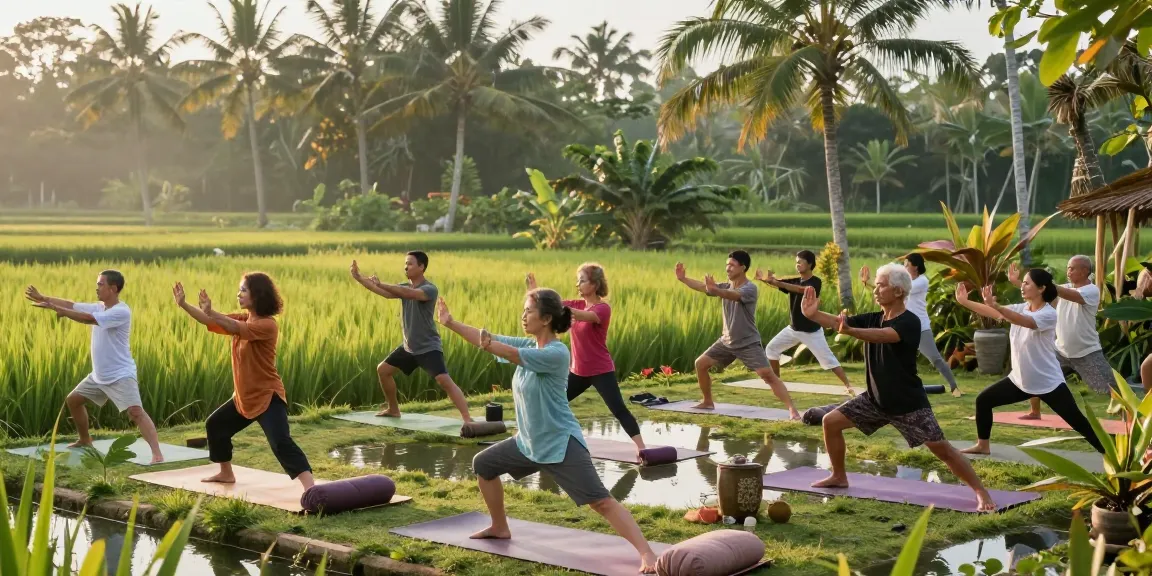
Bali, known for its breathtaking landscapes and serene atmosphere, provides a unique setting for practicing Qi Gong. The island's rich biodiversity and tranquil environment facilitate a deeper connection between practitioners and nature. Outdoor classes often take advantage of Bali's stunning backdrops, allowing individuals to feel rejuvenated by the fresh air and natural beauty while they engage in their practice.
Getting Started with Qi Gong in Bali
Finding the Right Retreats and Classes
With numerous retreats and classes available throughout Bali, choosing the right program can seem overwhelming. It’s crucial to consider factors such as the experience level of the instructor, the focus of the training, and the environment in which classes are held. Popular areas like Ubud and Canggu feature many well-reviewed offerings, ranging from beginner-friendly workshops to advanced teacher training sessions.
Essential Gear and Preparations
Practicing Qi Gong requires minimal gear, but it’s essential to wear comfortable clothing that allows for free movement. Breathable fabrics are ideal, and many practitioners prefer to go barefoot for better connection with the ground. Bringing a water bottle and a yoga mat can enhance the experience, especially during outdoor practices.
Common Misconceptions About Qi Gong
A prevalent misconception about Qi Gong is that it is solely a form of exercise. While physical movement plays a significant role, Qi Gong also emphasizes mental focus, breathing techniques, and meditative practices. Additionally, some believe that Qi Gong can only be practiced by those who are already physically fit. In reality, Qi Gong is accessible to individuals of all ages and fitness levels, offering modifications to accommodate various needs.
Techniques and Practices in Qi Gong
Basic Qi Gong Movements for Beginners
Beginners can start with simple movements that emphasize relaxation and breath control. Techniques like "Buddha’s Palm" and "Parting the Horse’s Mane" focus on gentle stretching and flowing motions, promoting a sense of calm and connection to Qi. As practitioners progress, these foundational movements can evolve into more complex forms.
Advanced Techniques for Experienced Practitioners
For those more experienced in Qi Gong, advanced techniques can include dynamic movements and forms that can enhance internal power, such as "Eight Pieces of Brocade" and "Five Animal Frolics." These practices often integrate martial arts elements, focusing on both physical and energetic development.
Integrating Breathing Techniques
Breath is a vital aspect of Qi Gong practice. Techniques such as abdominal breathing and the "microcosmic orbit" are essential for cultivating and circulating energy throughout the body. Beginners are taught to focus on their breath to enhance their meditation experience, while experienced practitioners may explore more intricate breathing patterns that sync with movement.
Community and Cultural Aspects of Qi Gong in Bali
The Role of Community in Qi Gong
Participating in Qi Gong classes and retreats often fosters a sense of community among practitioners. This social aspect can enhance motivation and provide emotional support. Sharing experiences and learning together contribute to a richer practice and a deeper understanding of Qi Gong’s principles.
Cultural Significance of Qi Gong in Balinese Tradition
While Qi Gong originates from Chinese culture, its principles resonate within Balinese traditions, which also focus on energy healing and harmony. Many Balinese practices emphasize balance with nature and the universe, making Qi Gong a complementary practice that enriches both communities.
Influence of Local Practices on Qi Gong
Bali's unique blend of spiritual practices, including meditation, yoga, and traditional healing techniques, influences how Qi Gong is practiced on the island. Local teachers often incorporate elements of Balinese culture, creating a distinctive approach that resonates with both locals and international visitors.
Future Trends in Qi Gong Practices
Emerging Styles and Formats in 2026
As interest in holistic health continues to grow, new styles and formats of Qi Gong are emerging. In 2026, we may see a rise in hybrid classes that combine Qi Gong with other modalities, such as yoga, Tai Chi, and even dance, creating a more dynamic practice experience that attracts diverse audiences.
How Technology is Shaping Qi Gong
The advancement of technology is making Qi Gong more accessible through online classes and virtual retreats. This shift allows practitioners worldwide to connect with experts in Bali, breaking geographical barriers. Live-streamed sessions and video tutorials empower individuals to explore Qi Gong at their own pace, enhancing the practice's reach.
Sustainability and Eco-Consciousness in Qi Gong Retreats
With a growing awareness of environmental issues, many Qi Gong retreats in Bali are embracing eco-conscious practices. From using sustainable materials in accommodations to promoting zero-waste initiatives, these retreats are shaping a more responsible way to experience Qi Gong, aligning with broader movements towards sustainability.
What is the best way to start practicing Qi Gong?
The best way to start practicing Qi Gong is to find a beginner-friendly class or workshop that resonates with you. It's essential to approach the practice with an open mind and a willingness to learn. Joining a local community can provide support and enhance the learning experience.
Can Qi Gong help with stress relief?
Yes, Qi Gong is highly effective for stress relief. The combination of mindful movement, controlled breathing, and meditation helps to calm the mind and release tension in the body. Regular practice can significantly reduce anxiety levels and promote a general sense of well-being.
Are there specific Qi Gong retreats in Ubud?
Ubud is renowned for its rich spiritual culture and hosts several dedicated Qi Gong retreats. These retreats often offer comprehensive programs that include daily classes, meditation sessions, and opportunities to connect with nature, making them an ideal choice for practitioners seeking depth in their practice.
What should I wear to practice Qi Gong?
Comfortable, loose-fitting clothing is recommended for Qi Gong practice. Fabrics that allow for breathability and movement will enhance your experience. Many practitioners choose to go barefoot to feel more grounded during their practice.
How often should I practice Qi Gong for the best results?
For optimal results, practicing Qi Gong three to five times a week is ideal. Consistency is key, as it allows your body and mind to adapt to the movements and breathing techniques, thereby enhancing your overall experience and benefits over time.